
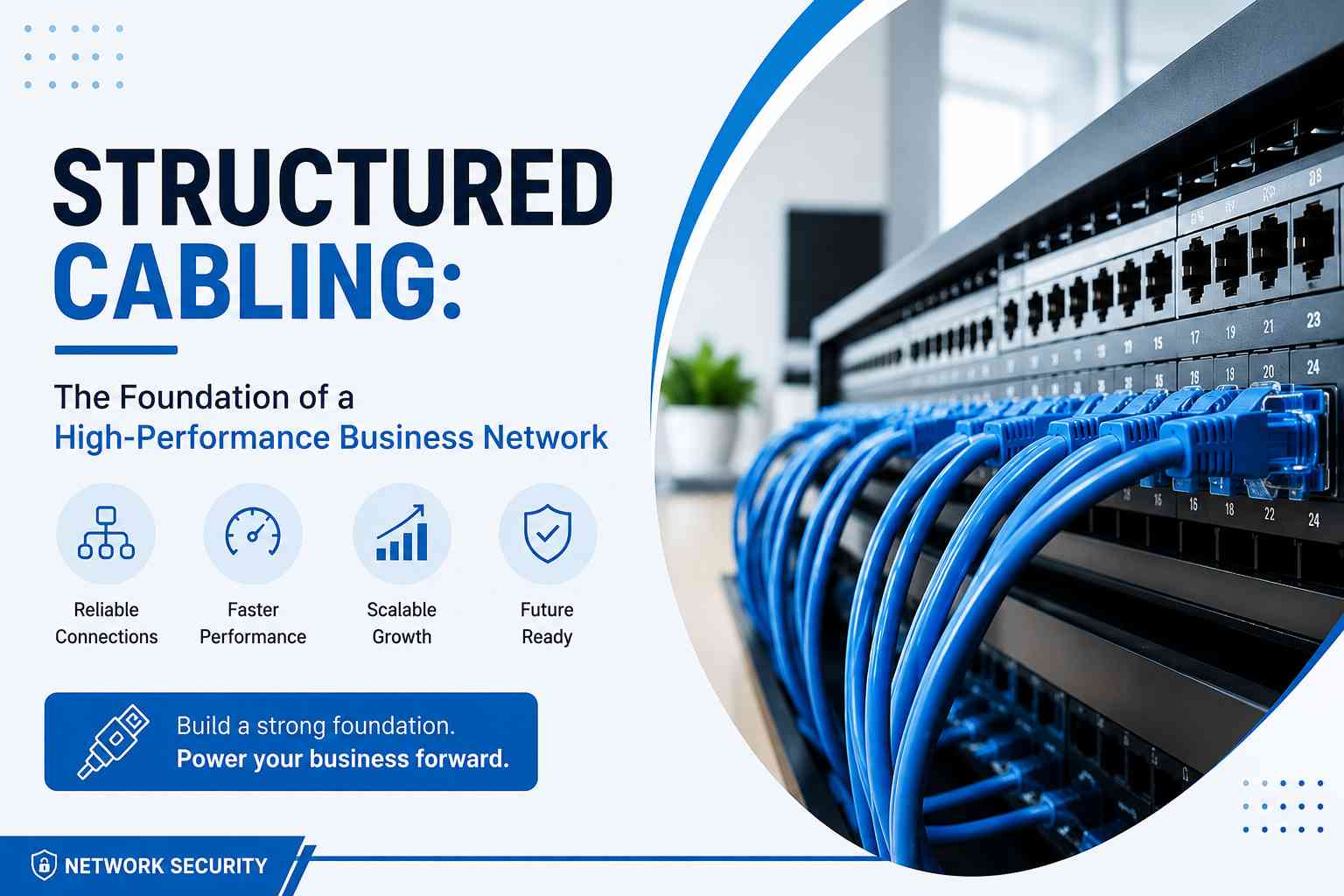
Structured Cabling: The Foundation of a High-Performance Business Network
Every modern business depends on technology. Whether employees are accessing cloud applications, making video calls, transferring large files, or securing buildings with surveillance systems, everything relies on one essential component—a reliable network infrastructure. While organizations often invest in faster internet, better computers, and advanced software, they frequently overlook the physical network that connects everything together.
Structured cabling provides the backbone that keeps business operations running smoothly. It creates a standardized, organized, and scalable communication system capable of supporting current technology while preparing businesses for future growth.
Poor-quality cabling can result in slower performance, frequent outages, expensive troubleshooting, and limited expansion opportunities. In contrast, a professionally designed structured cabling system delivers consistent performance, reduces downtime, improves security, and simplifies network management.
This guide explains why structured cabling has become one of the most valuable investments for businesses seeking long-term reliability, improved efficiency, and scalable IT infrastructure
Why Structured Cabling Matters More Than Ever
Business technology continues to evolve at an incredible pace. Cloud computing, remote collaboration, VoIP communication, smart security systems, and IoT devices all demand reliable network performance. A poorly organized cable system creates bottlenecks that limit productivity and increase maintenance costs. Following a comprehensive Business Network Security Guide also helps organizations understand why a strong physical network infrastructure is essential for protecting business operations and connected devices.
Structured cabling provides a universal infrastructure that supports multiple technologies through one organized network. Instead of installing separate cables for every application, businesses use a standardized system that simplifies deployment and future upgrades.
Organizations with a well-planned cabling system experience improved connectivity, fewer outages, easier troubleshooting, and lower operational expenses over time. The result is a network that performs consistently even as business requirements continue to grow.
Components of a Structured Cabling System
A structured cabling infrastructure consists of several interconnected components working together to deliver stable communication across an entire facility.
Horizontal Cabling
Horizontal cabling connects workstations, wireless access points, IP phones, printers, and security devices to nearby telecommunications rooms. This portion represents the majority of network connections inside an office.
Backbone Cabling
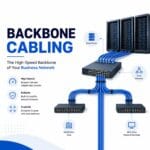
Backbone cabling links equipment rooms, server rooms, network closets, and multiple building floors. Fiber optic cables are commonly used because they support higher bandwidth over longer distances.
Patch Panels
Patch panels provide centralized cable management, making maintenance, troubleshooting, and future changes significantly easier.
Network Switches

Switches distribute data efficiently throughout the network while supporting high-speed communication between devices.
Equipment Racks
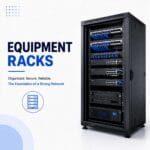
Proper rack organization improves airflow, simplifies maintenance, and creates a professional IT environment.
Business Benefits of Structured Cabling
A professionally installed structured cabling system offers advantages that extend far beyond faster internet speeds.
Improved Network Performance
Organized cabling minimizes signal interference and transmission errors, resulting in faster data communication and more stable network connections.
Easier Maintenance
Clearly labeled cables make troubleshooting significantly faster, reducing downtime during maintenance or upgrades.
Better Scalability
As businesses expand, adding new employees, departments, or devices becomes much easier without redesigning the entire network.
Lower Long-Term Costs
Although structured cabling requires an upfront investment, it minimizes expensive repairs, emergency service calls, and repeated cable replacements.
Higher Reliability
Standardized installations reduce network failures caused by tangled wiring, damaged cables, or poor installation practices.
Better Appearance
Clean cable management improves equipment room organization while enhancing airflow and simplifying inspections.
Fiber Optic vs Copper Cabling
Businesses often ask whether they should use copper cables or fiber optics. The answer depends on performance requirements, building size, and future expansion plans.
Copper Cabling | Fiber Optic Cabling |
| Lower installation cost | Higher bandwidth |
| Ideal for workstations | Ideal for backbone connections |
| Supports shorter distances | Supports very long distances |
| Easier termination | Immune to electromagnetic interference |
| Suitable for office devices | Best for data-intensive environments |
Modern organizations frequently combine both technologies, using copper for endpoint devices and fiber optic connections between network closets and server rooms.
Common Problems Caused by Poor Cabling
An outdated or poorly organized network often creates operational challenges that affect every department within an organization.
Some of the most common issues include:
- Slow file transfers
- Random network interruptions
- Frequent cable failures
- Difficult troubleshooting
- Equipment overheating
- Poor Wi-Fi performance
- Network congestion
- Limited expansion capability
These issues not only reduce productivity but also increase IT support costs and employee frustration.
Structured Cabling Supports Every Business Technology
Today’s organizations rely on far more than desktop computers. Nearly every digital system depends on stable network connectivity.
Structured cabling supports technologies including:
- IP surveillance cameras
- Door access control
- Wireless access points
- VoIP phone systems
- Cloud applications
- Video conferencing
- Building automation
- Network storage
- IoT devices
- Smart office solutions
A properly designed infrastructure ensures these systems operate together without unnecessary network congestion.
Choosing the Right Cabling Partner

Selecting the right installation provider has a significant impact on long-term network performance. Experience, planning, and adherence to industry standards are just as important as the quality of the cables themselves.
When evaluating service providers, businesses should consider technical expertise, certification, cable testing procedures, documentation quality, future scalability planning, warranty coverage, and post-installation support. Working with experienced structured cabling companies Columbus helps ensure installations meet industry standards while supporting future technology upgrades.
Planning for Future Growth
Technology continues to evolve, making future-ready infrastructure more valuable than ever.
Businesses should consider:
- Higher bandwidth demands
- Expansion to additional offices
- Cloud migration
- AI-powered applications
- Smart building technologies
- Advanced cybersecurity
- Increased wireless device density
Organizations investing in scalable infrastructure today avoid expensive rewiring projects in the future.
Many enterprises also work with fiber optic cable installation companies when designing high-capacity backbone connections capable of supporting next-generation applications without replacing existing infrastructure.
The Role of Structured Cabling in Overall IT Strategy
Network infrastructure should never be viewed as a standalone investment. It serves as the physical foundation for every digital service an organization relies on, from collaboration tools to cybersecurity solutions.
A strong cabling system enhances the performance of Fast IT Support Services in Columbus by reducing recurring connectivity issues and making diagnostics quicker and more accurate. Likewise, businesses that rely on Managed IT Services Columbus Ohio benefit from an organized network that simplifies monitoring, maintenance, and future technology deployments.
Conclusion
Structured cabling is much more than a collection of network cables hidden behind walls or ceilings. It is the physical infrastructure that supports communication, collaboration, security, and business continuity across an entire organization.
As companies continue adopting cloud services, smart devices, advanced security systems, and bandwidth-intensive applications, the importance of a scalable and professionally designed cabling system will only increase. Investing in a well-planned network today creates a stable foundation for tomorrow’s technology, helping businesses improve performance, reduce operational costs, and remain prepared for future growth.

CCTV Live View but No Recording? Fix It Fast
September 25, 2026[…] well-planned High-Performance Business Network can also support CCTV alongside other business applications without unnecessarily affecting […]