
Where Should Commercial Security Cameras Be Installed? Entrances, Docks, Parking and Restricted Areas
Commercial security cameras should be installed in key areas where businesses need better visibility, safety, and protection. Locations such as main entrances, loading docks, parking lots, and restricted areas require special attention because they involve regular movement of people, vehicles, equipment, and valuable goods. Proper camera placement helps businesses monitor daily activities, identify suspicious behavior, and reduce blind spots across the property.
A well-planned surveillance system also makes it easier to review incidents and understand what happened when a security issue occurs. Businesses should consider the building layout, lighting conditions, camera angles, and potential obstructions before deciding where to install cameras. Choosing the right equipment for each location can improve video quality and provide more reliable coverage. With careful planning and regular maintenance, commercial security cameras can help protect valuable assets, support workplace safety, and create a more secure environment for employees and visitors.
1. Main Entrances and Exits
Entrances and exits are among the most important locations for security cameras because they record who enters and leaves a building. Cameras should cover main doors, employee entrances, reception areas, and emergency exits where appropriate. Positioning cameras at suitable heights and angles helps capture clear images of faces and movement.
 Businesses should also consider secondary entrances and less frequently used doors, as these areas can become security gaps. Good lighting and carefully selected camera angles improve visibility during both daytime and nighttime operations.
Protect your business from unauthorized entry with professionally positioned security cameras. Get better visibility of visitors, employees, and daily activities.
2. Loading Docks and Delivery Areas
Loading docks are busy commercial spaces where products, equipment, and shipments move throughout the day. These areas can face risks such as inventory theft, unauthorized access, and delivery disputes. Installing cameras near dock doors, vehicle access points, and goods transfer areas helps businesses monitor important activities.
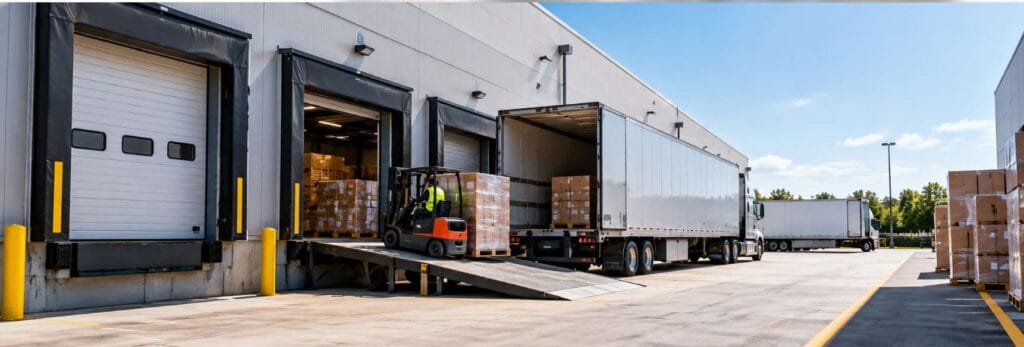
Cameras should provide a clear view of loading and unloading operations without being blocked by trucks, containers, or stored materials. Weather-resistant cameras may be necessary for outdoor docks, while additional lighting can improve image quality in poorly lit areas.
Secure your shipments and delivery operations with reliable camera coverage. Monitor loading activities, reduce inventory risks, and keep your business running smoothly.
3. Parking Lots and Outdoor Spaces
Parking lots, garages, and outdoor walkways should be included in a commercial security plan. Cameras can help monitor vehicle movement, pedestrian access, and suspicious activity around parked vehicles. Businesses should prioritize parking entrances, exit lanes, isolated corners, and areas near building entrances.
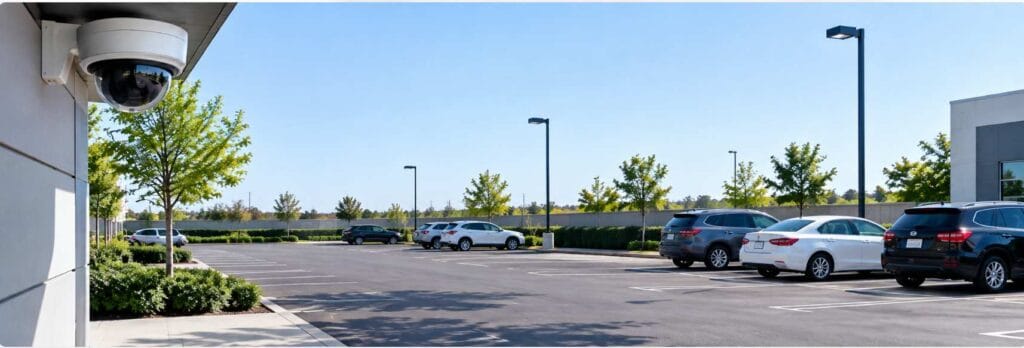
Outdoor cameras must be suitable for changing weather conditions and varying light levels. Wide-angle cameras can cover larger spaces, while specialized cameras may be useful at vehicle entrances where identifying license plates is important. Camera placement should also respect employee and visitor privacy.
Improve parking lot security with weather-resistant cameras designed for outdoor monitoring. Contact a professional to identify blind spots and strengthen property protection.
4. Restricted Areas and Valuable Assets
Some areas of a commercial property require stronger access control because they contain confidential information, expensive equipment, or valuable inventory. Examples include server rooms, warehouses, electrical rooms, stockrooms, and financial record storage areas.
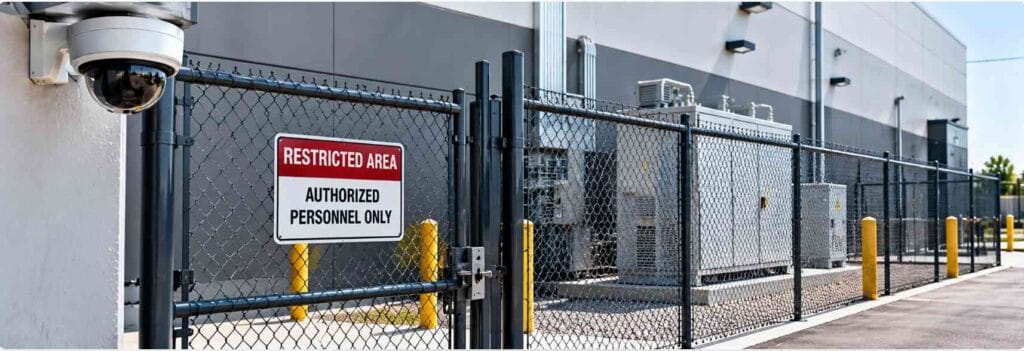
Cameras should be positioned near access doors and important equipment to monitor entry activity. Combining video surveillance with access cards, alarms, and visitor records can provide better visibility into who enters restricted spaces. Access to recorded footage should also be limited to authorized personnel.
Keep sensitive business areas secure with strategically placed surveillance cameras. Monitor access to valuable equipment, confidential records, and restricted facilities.
5. Warehouses and Inventory Storage Areas
Warehouses often contain large quantities of products and equipment, making them important locations for security monitoring. Cameras should cover storage aisles, inventory handling areas, packing stations, and shipping zones. Proper placement helps businesses investigate missing items, review handling incidents, and monitor activity around valuable goods.
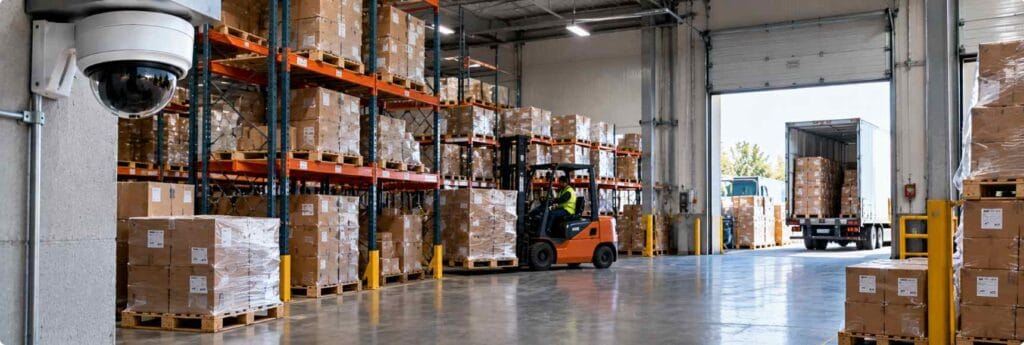
When planning coverage, consider ceiling height, shelving arrangements, and forklift movement. Cameras should not be blocked by racks or stacked products. Businesses may need a combination of wide-area cameras and closer views of specific storage or transaction points.
Protect your inventory with effective warehouse surveillance. Get professional camera placement that helps monitor stock movement, reduce security gaps, and support daily operations.
Choosing the Right Camera Placement and Cabling
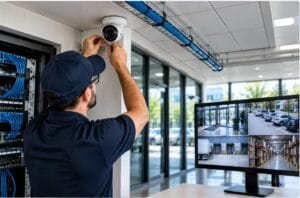 Effective security depends on more than the number of cameras installed. Each camera should have a clear purpose, whether it is monitoring an entrance, identifying vehicles, or observing a restricted area. Businesses should assess lighting, viewing distance, network connectivity, and potential obstructions before finalizing the installation plan.
Working with experienced structured cabling companies Columbus can help ensure the network infrastructure supports reliable video transmission and future expansion. Proper cable routing, suitable network equipment, and organized connections can reduce installation problems and simplify maintenance.
Professional video surveillance installation also helps businesses select suitable camera types, avoid unnecessary coverage gaps, and position equipment for dependable performance. A site assessment before installation can identify security priorities and help control project costs.
Recording, Storage, and Regular Maintenance
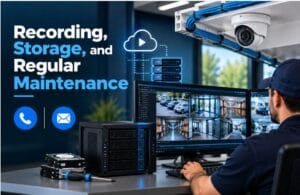 Installing cameras is only one part of a complete security solution. Businesses must also ensure that cameras record properly, storage systems have sufficient capacity, and authorized staff can retrieve footage when required.
Security Video Retention policies should define how long recordings are stored, who can access them, and when they should be deleted. These policies should reflect business requirements, applicable privacy laws, and relevant contractual or regulatory obligations.
Regular maintenance is equally important. Cameras should be checked for damaged cables, dirty lenses, incorrect angles, and connectivity issues. Recording systems should also be tested to identify potential Security Camera Footage Loss before an important incident occurs. Keeping equipment updated and reviewing system performance can help maintain consistent coverage.
Conclusion
Commercial security cameras should be installed at entrances, loading docks, parking areas, restricted rooms, warehouses, and other locations where visibility is essential. The right placement depends on the property’s layout, business operations, and specific security risks.
By combining careful camera positioning, reliable cabling, appropriate recording policies, and regular maintenance, businesses can create a more effective surveillance system. A well-planned approach helps protect valuable assets, improve workplace safety, and provide useful video evidence when incidents need to be investigated.
Don’t Leave Your Business Security to Chance. Contact Us Today for a Reliable Surveillance System.


Why Is Your Security Camera Footage Blurry? How to Fix It
October 14, 2026[…] clear Security Video Retention policy helps determine how long recordings should be stored according to business requirements and […]